The subject offers a wide variety of pursuits and specialisms, job satisfaction and financial rewards
By Ben Griffin-Sherwood
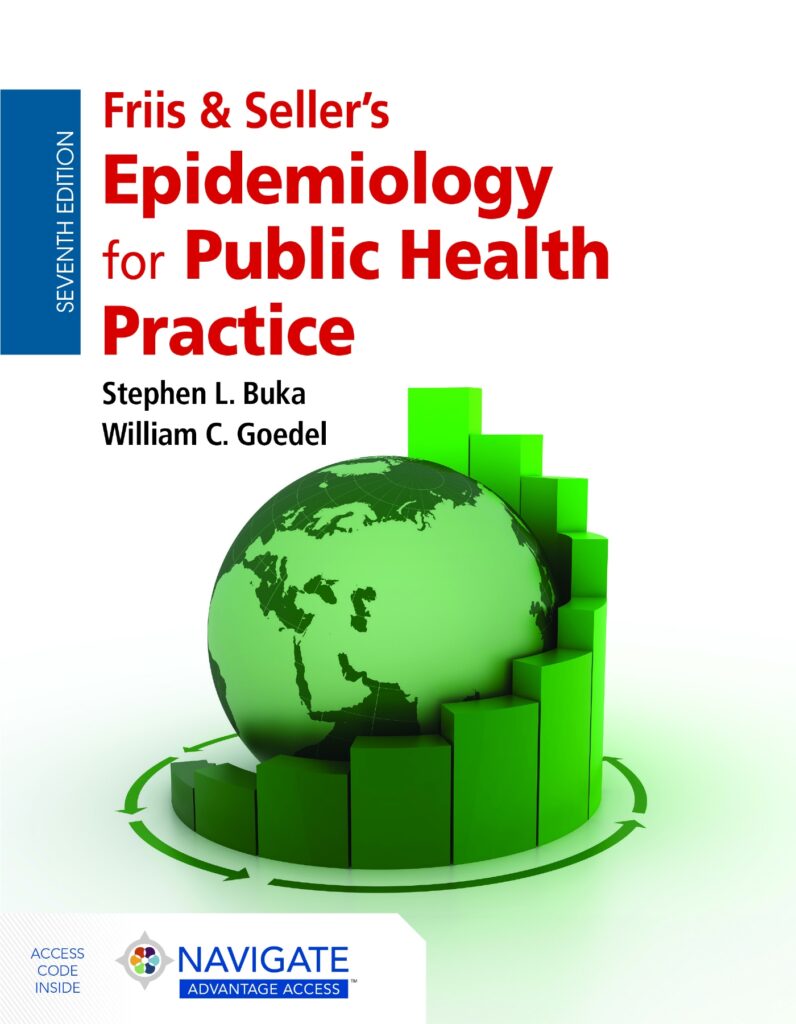
To mark the publication of some of Jones and Bartlett Learning’s leading introductions to the topic including Friis & Seller’s Epidemiology for Public Health Practice, read on to find out more about what the field entails and the benefits it can bring to students of this area of study.
Epidemiology sits at the crossroads of curiosity and impact. It blends the thrill of solving real-world puzzles with the satisfaction of improving health and safety for entire communities. Whether energized by data, drawn to fieldwork, or motivated by meaningful service, epidemiology offers a rich, rewarding path to today’s students.
Enjoyable to study. Deeply beneficial
- Rewarding curiosity and critical thinking.
- Epidemiology asks “why” and “how” about patterns of disease and injury, then uses rigorous methods to find answers. Students learn to frame good questions, build hypotheses, analyze data and communicate findings clearly. People who enjoy connecting dots, spotting trends, and testing ideas will find the work inherently engaging.
- Intellectually stimulating and interdisciplinary.
- The discipline pulls from biology, public health, maths, statistics and the social sciences. That variety keeps learning fresh and challenges orthodoxies across domains.
- Versatile, future-proof skills.
- Epidemiology typically involves training in quantitative methods, statistical reasoning, study design, data management and scientific communication. These skills translate well to many sectors, from healthcare and research to policy, technology and beyond. Roles require human judgment, a consideration of ethics and a high degree of personal interaction.
- Impact is immediate and visible.
- During outbreaks epidemiologists track spread, identify high‑risk groups, study mutation and lethality and inform public health responses. The discipline’s core purpose, preventing illness and injury, means it has direct effects to protect lives and guide better policy.
An adventurous career choice with an abundance of options
Epidemiologists investigate the frequency, patterns, and causes of disease and injury. Typical responsibilities include: managing surveillance programmes, investigating disease origins (etiologies), collecting and analyzing data to address health problems, designing and implementing research studies, evaluating public health policies and interventions, writing grant proposals to fund research and communicating findings to diverse audiences (scientists, policymakers, clinicians, the public).
Budding epidemiologists can align their work with what they love doing among a broad range of endeavours such as: teaching, fieldwork, lab science, big data, policy or clinical practice. These take place among a vast range of specializations including: chronic diseases, environmental health, genetic and molecular science, infectious diseases and hospital care, injury, mental health, nutrition, public health preparedness and emergency response and many more, typically situated in sectors such as:
- Public health agencies (e.g. UK Health Security Agency, European Centre for Disease Prevention and Control)
- Government departments (health, environment, social care)
- NHS and hospital trusts (infection control, clinical epidemiology)
- Research institutions and universities
- Pharmaceutical and biotech companies
- International organisations (WHO, NGOs, humanitarian agencies).
Demand in the UK and Europe is said to be strong and growing, driven no doubt by at least one collective event we can all remember. Its ongoing strategic importance to the EU bloc and the UK has been well-documented not least in the UK’s Allied Health Professions Public Health Strategic Framework (2025-2030) and the European Commission’s Joint Research Centre forecast of a healthcare workforce gap of 8 million jobs in the EU by 2031. The expertise of highly-trained epidemiologists is essential to counter the threat from emerging infectious diseases, aging populations and climate change.
Accordingly, in addition to being able to see the impact of their work often in real-time through shaping policy, mid-career professionals in the UK can enjoy an average salary range between £54,000 and £68,000 (with specialist/consultant roles commanding £110,000 or more for high-demand sectors.) (salary.com)
Explore further
Developing the necessary skills to carry out epidemiological studies equips students for impactful careers in health and research and one of the publishers supporting HE faculty to do so is leading epidemiology and public health publisher Jones & Bartlett Learning. Their mission is to ensure the epidemiologists of tomorrow are equipped with the most up-to-date and trusted learning resources and course solutions from renowned global experts including these latest releases:
Friis & Seller’s Epidemiology for Public Health Practice
Nelson and Williams’ Infectious Disease Epidemiology
Friis’ Essentials of Environmental Health
Prevention of Diseases in Populations
Aschengrau & Seage’s Essentials of Epidemiology in Public Health
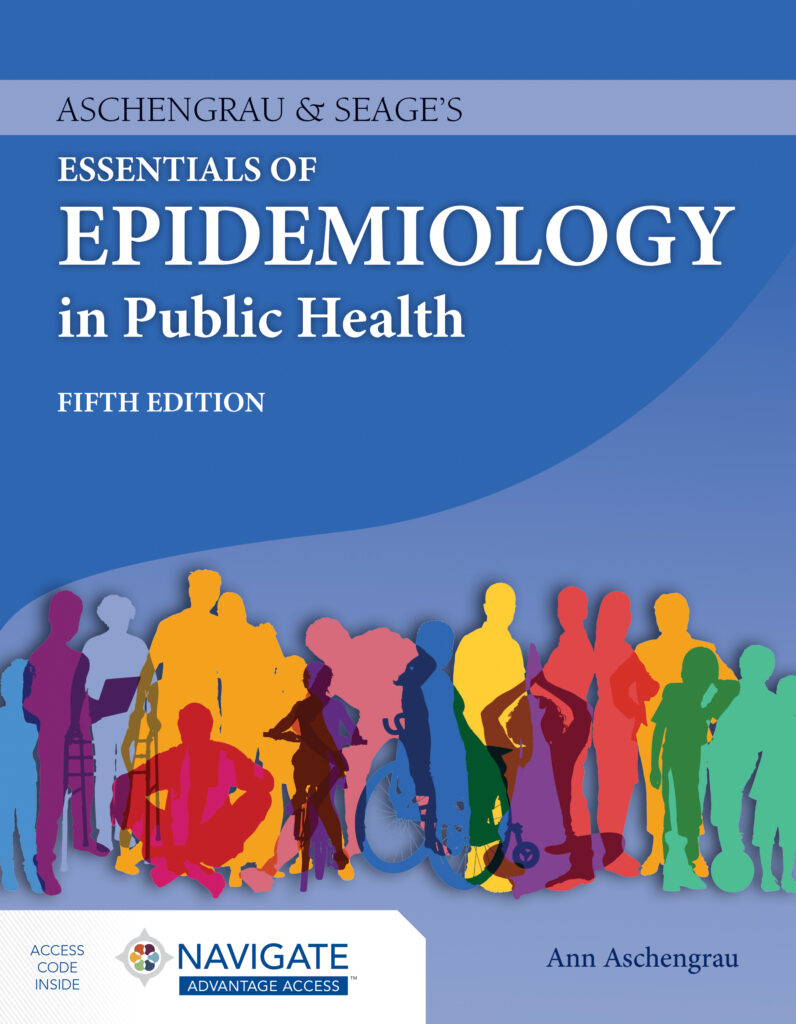
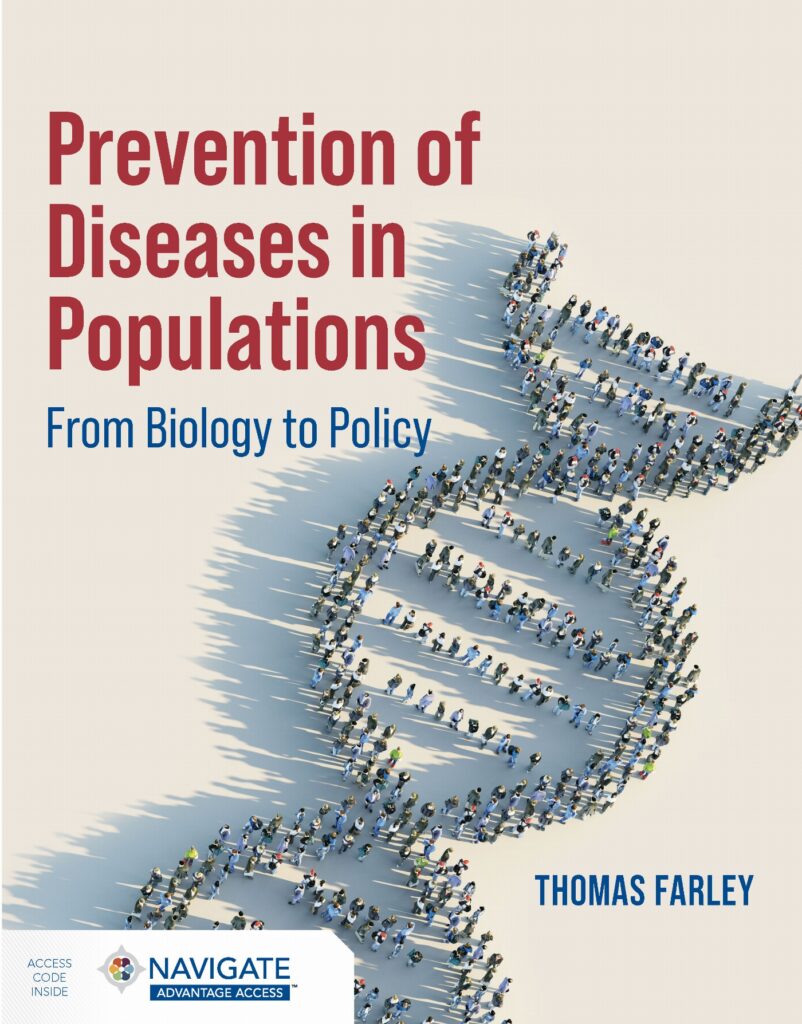
If you are looking to convene a new module on these topics or update your existing resources you can request inspection copies from here.
With varied career opportunities, competitive salaries and global relevance, epidemiology is a discipline that will remain popular among students eager to take on some of the most important challenges we face this century.